The Hybrid Library

The Hybrid Library

A collection of hybrid birds from all corners of the internet, ranging from first to fifth generation.

Read More

The Mutation Library

The Mutation Library

A collection of color varieties developed and bred by parrot keepers around the world.

Read More

The Subspecies Library

The Subspecies Library

A collection of ever-changing subspecies descriptions, photographs, and illustrations.

Read More

Cinnamon Lineolated Parakeet

First positively identified in 2015, Cinnamon Lineolated Parakeets have a lighter brownish-green color similar to a male SF Graywing. The bill and feet are pinkish while the eyes, once a reddish color as a nestling, become dark brown/blackish by the time the bird leaves the nest. One of the best ways to identify a Cinnamon
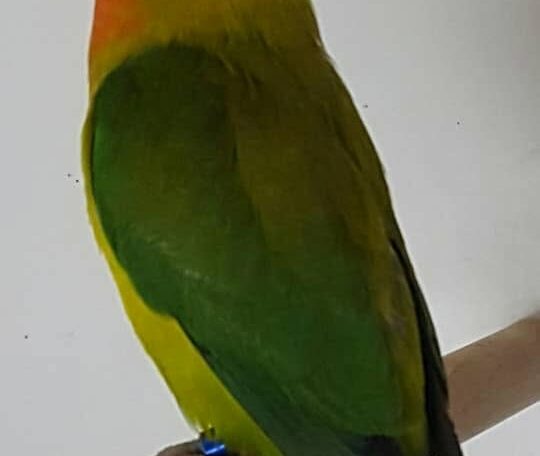
“Faded” Black-winged Lovebird

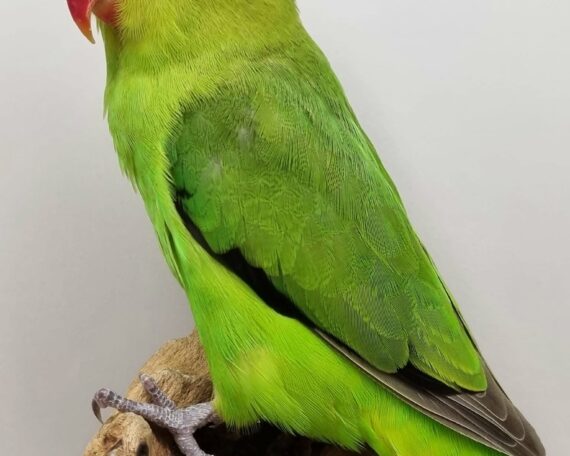
Faded Black-winged Lovebirds are nearly identical to wild-types, but have slightly lighter green plumage and temporary red eyes while the bird is between 3-7 days old. The term “Faded” is used loosely by breeders, probably because the variety has incredibly minimal melanin reduction across the body and feet; Typical Fadeds tend to have even lighter

Faded Pearly Conure

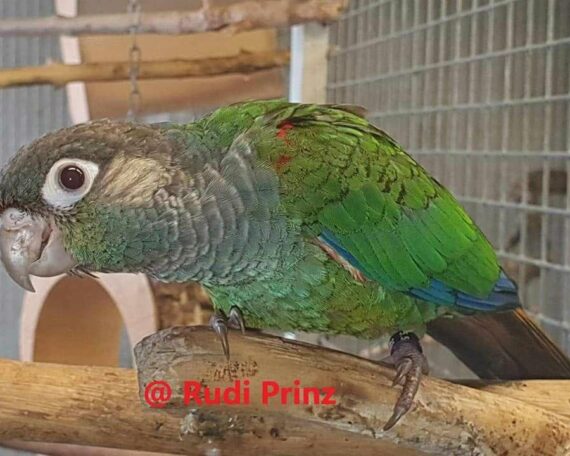
An incredibly rare variety, Faded Pearly Conures have a 20% reduction in melanin; they are a somewhat paler bluish-green with a lighter cap, bill, and toes compared to wild-types. Alongside the two latter traits, Faded Pearly Conures can be easily identified through the dark red eyes present in very young birds. As they age, their

Euwing Nyasa Lovebird

Aside from a somewhat different red-orange facial patch, whitish bill base, and green rump, Euwing Nyasa Lovebirds are nearly identical to Euwing Fischer’s Lovebirds; Compared to wild-types, they have a stronger golden olive color to their nape and mantle feathers. This makes their wing edges noticeably different in color compared to the rest of the

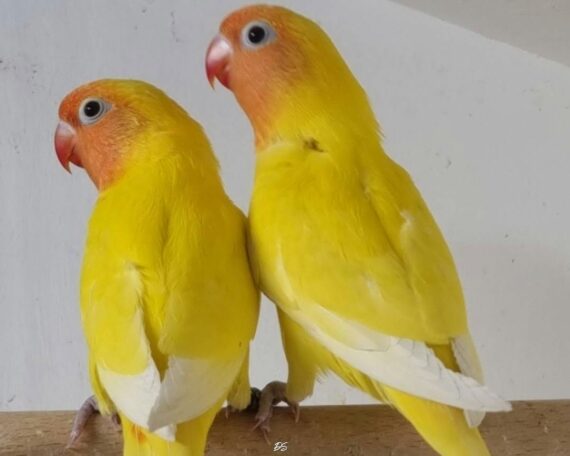
Dark-eyed Clear Nyasa Lovebird

Like in Fischer’s Lovebirds, Dark-eyed Clear Nyasa Lovebirds have a 95% melanin reduction across their body while retaining black eyes and gray feet. As a result, they are mostly yellow with whitish flight feathers, an orange face, and a red bill with a whitish base. The mutation was likely transferred to the species from hybridization

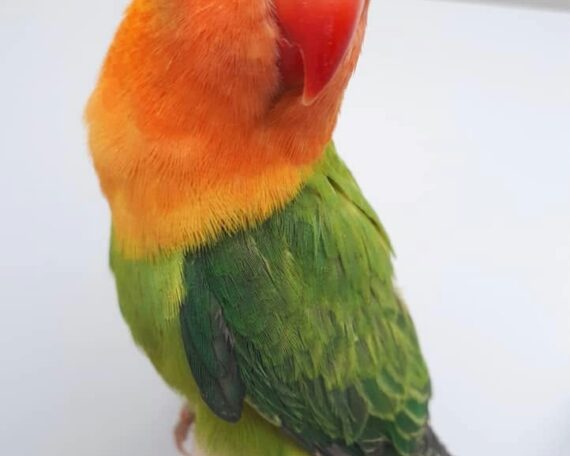
Opaline Nyasa Lovebird

Opaline in Nyasa Lovebirds was likely transferred to the species through hybridization with Fischer’s Lovebirds. They have a red-orange face and upper breast, a green belly, green wings with the coverts having lighter edges, and grayish feet. As in all Nyasa Lovebirds, the bill is red with a whitish base. The variety can be differentiated

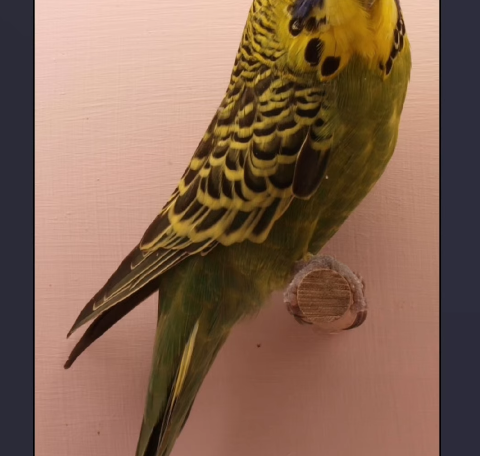
Dusk Budgie

An incredibly rare or potentially extinct variety, Dusk was first discovered in Australia in 1996. While it was originally believed to be a new form of Dark Factor given its similarity to Olive (DF Dark Factor), the lack of an apparent difference between SF and DF forms indicates otherwise. Dusk is almost identical to Olive,

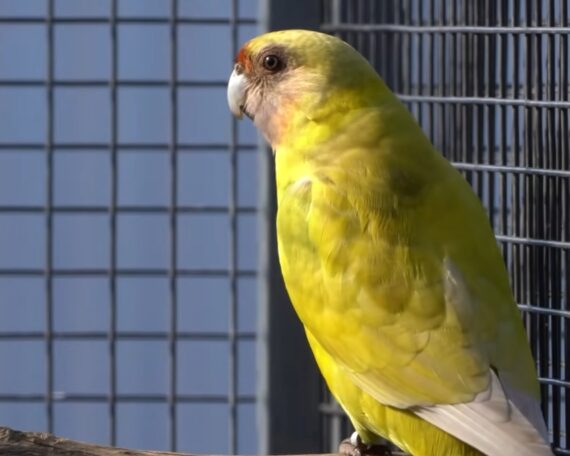
“Lime” Australian Ringneck

Lime Australian Ringnecks have a ~50% reduction in melanin across their green, blue, and black coloration, leaving the bird mostly yellow-green with pale blue and white cheeks, a red crown, bluish wing edges, and off-white primary flight feathers. The feet and mandible appear to be gray. While “Lime” is often synonymous with Pallid, the term

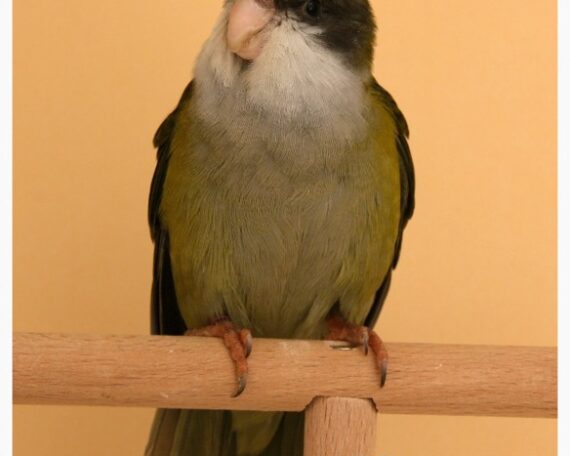
Gray-green Sierra Parakeet

An incredibly rare or potentially extinct variety, Gray-green Sierra Parakeets are army-green in color with a dark cap, whitish cheeks, a somewhat grayish chest, and mixed olive and dark gray flight feathers. Given that it was photographed and posted by Europeans, it was likely discovered somewhere in Europe. It appears to have been the first

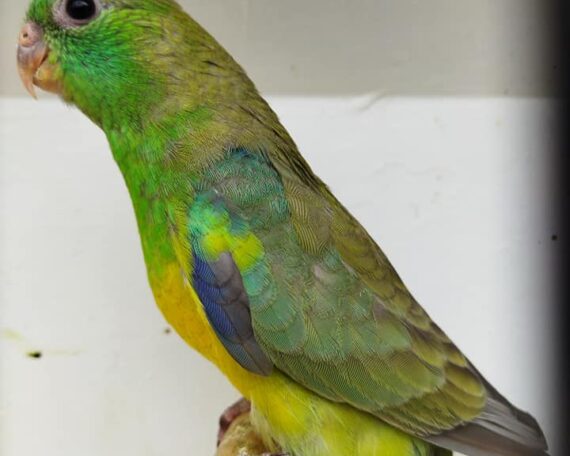
Faded Red-rumped Parakeet

A rare variety that was recently rediscovered in Europe, Faded had initially been identified in Red-rumps sometime in the 20th century. While the original mutation died out, its reemergence has provided a new opportunity for the gene’s development. The Faded mutation lightens a Red-rump’s green, blue, and black coloration slightly, with this difference being relatively

css.php